Life-impact story · Spend & Grow interpretation
Can a Rice Cooker Give You Time Back?
The important change is often not faster rice. It is a different pattern of supervision, scheduling, attention, and reset around the rest of dinner.
Start with the routine, not the appliance
A pot on the stove and a rice cooker can both produce the same meal component. What differs is the sequence wrapped around it: bringing liquid to a boil, changing the heat, checking absorption, reserving a burner, choosing a program, waiting through an automatic cycle, holding the result, and cleaning the vessel afterward.
That is why the useful opening question is not whether a rice cooker saves time in the abstract. It is whether you want rice preparation to remain a watched part of cooking, become a mostly unattended background task, or share one appliance with pressure cooking and other jobs.

Unattended time is not the same as shorter elapsed time
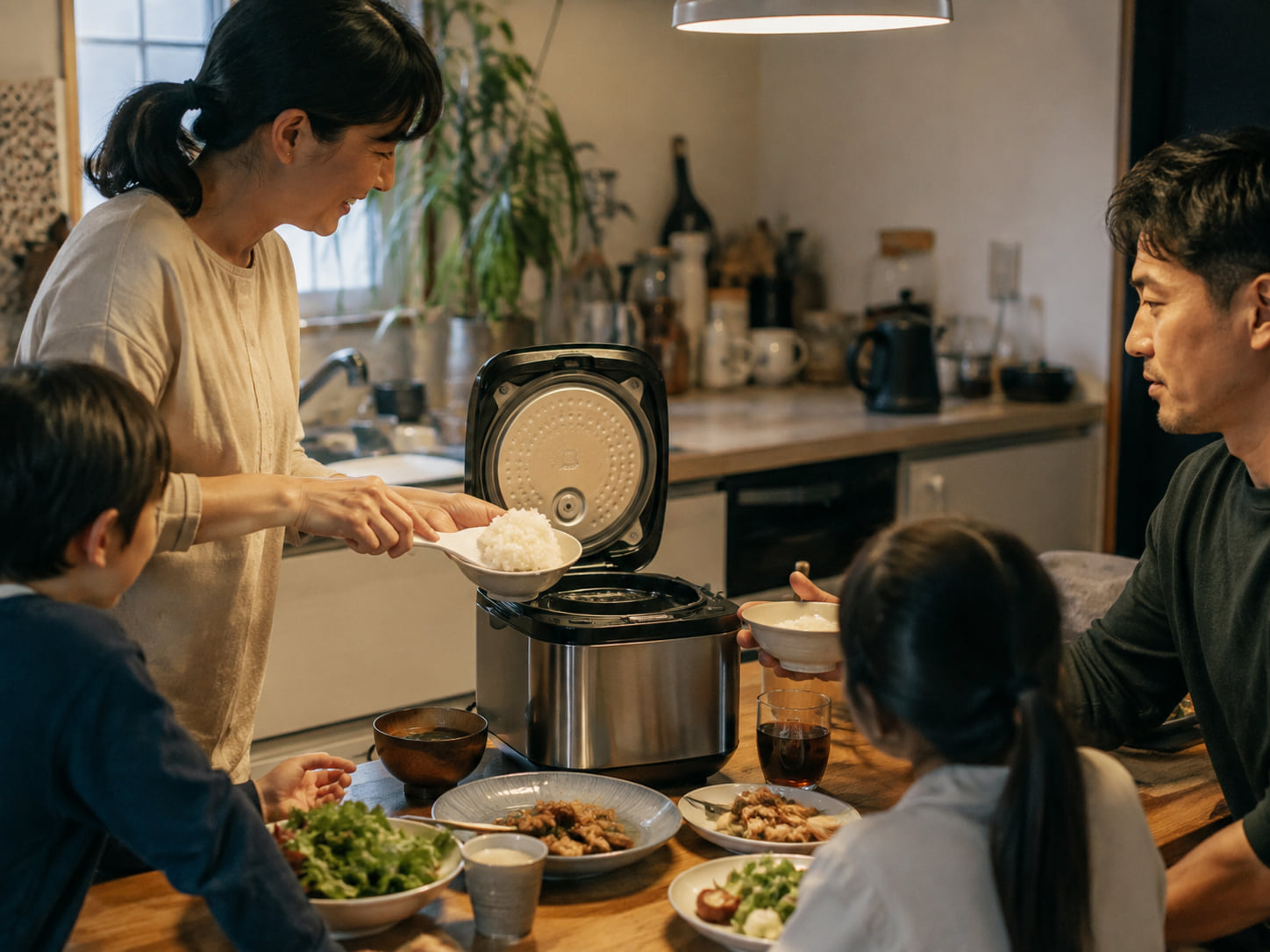
A dedicated cooker may make a block of cooking time more usable because the appliance manages the transition from cooking to warm holding. That can let attention move to vegetables, children, work, or simply a pause. It does not prove that the rice reaches the table sooner, and this guide makes no category-wide speed claim.
The distinction matters because an appliance can improve coordination without reducing the clock time of the recipe. For a buyer whose dinner bottleneck is supervision, that can be meaningful. For someone who already sets a covered pot and walks away confidently, the exchange may be small.
The work does not disappear
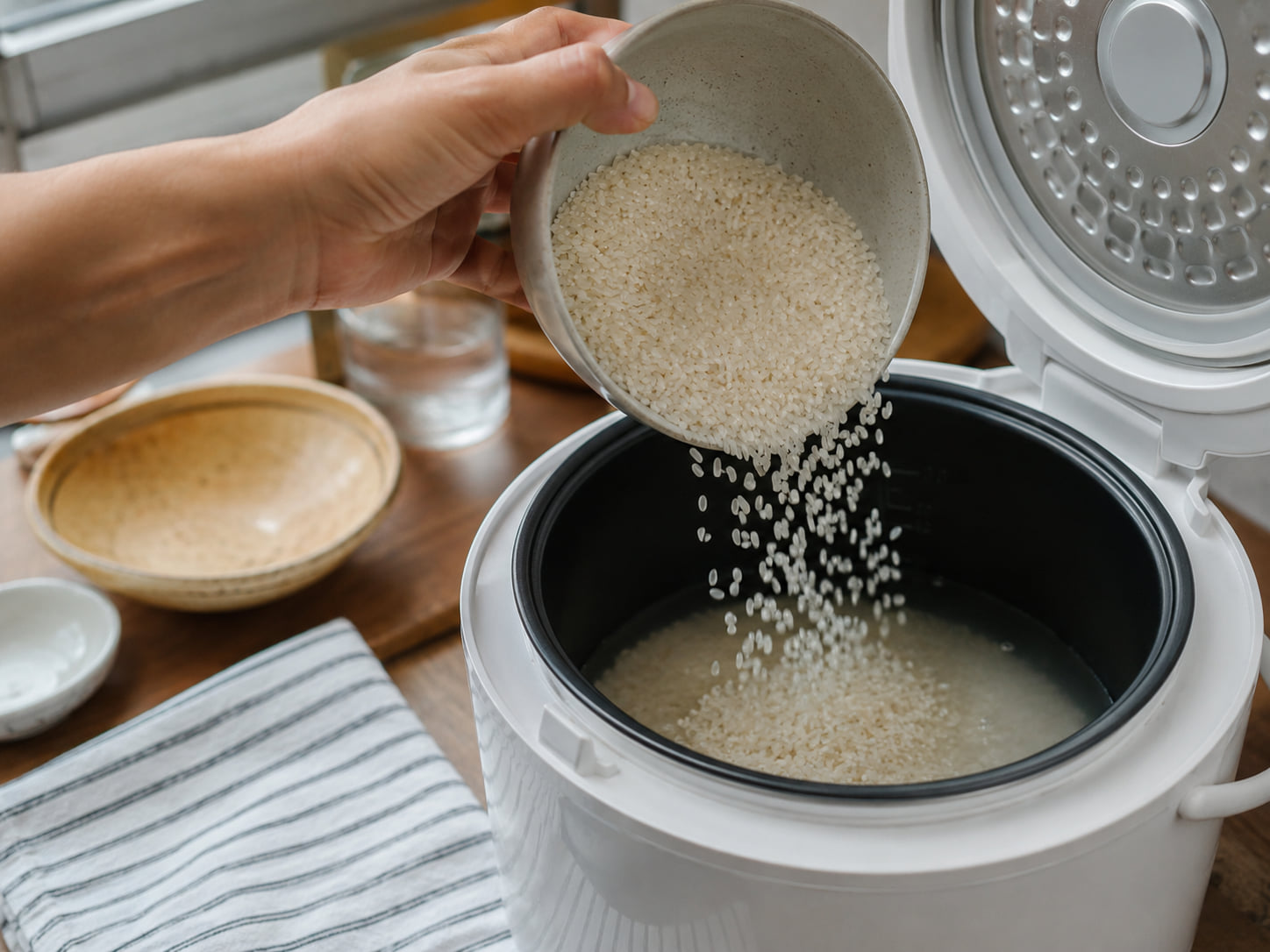
Every path keeps preparation: choosing rice, measuring, adding liquid, and serving. Electric paths add an appliance to store and a removable pot to protect. Programmable models add menus and timer behavior to learn. Pressure multicookers add lid, sealing, release, and inspection routines even when their other functions justify the space.
Cleanup can also move rather than vanish. A simple glass-lid cooker exposes few parts. A Micom model may add an inner lid and accessories. A pressure multicooker can make its pot and lid dishwasher-safe, but it also has pressure components that need inspection and a release sequence that becomes part of the meal.

Scheduling and repeatability may be the real purchase
For households that eat rice frequently, the valuable outcome may be confidence that a familiar process can start earlier and wait for dinner. Delay timers, automatic warm holding, and rice-specific menus are coordination features before they are convenience slogans.
Their value is conditional. Warm holding matters only if meals drift. A delay timer matters only if advance loading fits food-safety instructions and the household routine. A long menu list matters only when those rice and grain types are actually cooked.
Choose the pattern you want to own
A basic cooker asks for little learning and can remove burner management. A programmable rice-focused cooker adds scheduling and menu choices. Premium induction and pressure systems buy different controls and mechanisms on paper, but their price does not establish a universal taste or consistency advantage. A multicooker can avoid a rice-only appliance if its pressure workflow and availability within the household already fit.
The right comparison is therefore conditional: what attention leaves, what setup and care enter, how often each activity recurs, and whether those activities feel like ritual, learning, useful coordination, or burden to you.
No universal time saving or product-performance result is claimed.
Explore the Rice cookers decision guide