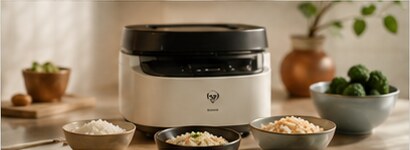
A possible ownership outcome
When it earns its place
A repeated staple fits naturally into the household routine.
A category for daily life
A rice cooker can become the easiest part of a daily staple — or one more thing on your counter.
Product-neutral decision guideFOUR RICE LIVES
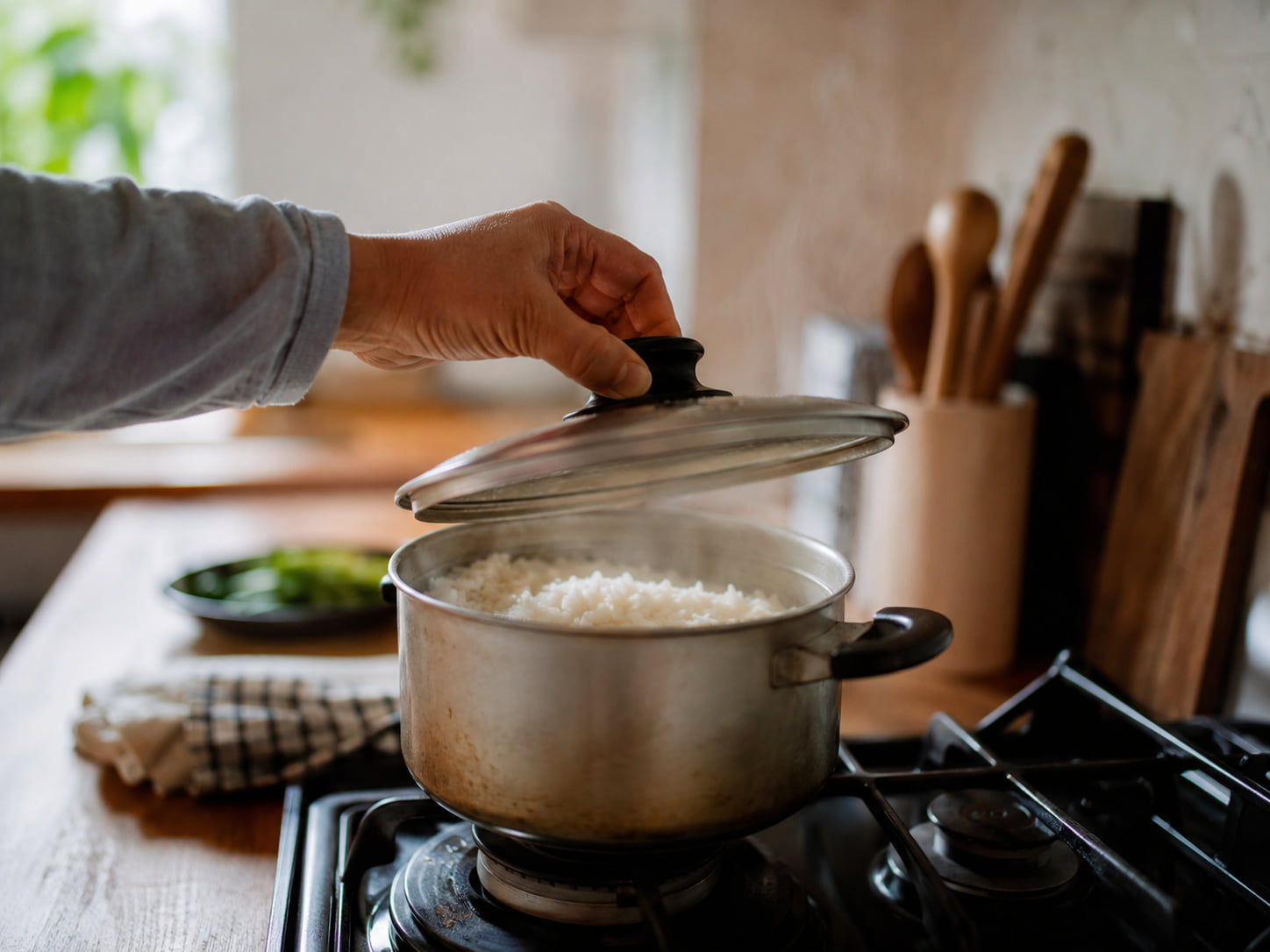 Product-neutral editorial sceneKeep the potRice stays something you cook.Explore this life
  Product-neutral editorial sceneHand off the heatRice becomes something you start.Explore this life
  Product-neutral editorial sceneLet rice wait for youRice begins to work around the household schedule.Explore this life
  Product-neutral editorial sceneOne appliance, more jobsRice shares a machine with other recurring cooking work.Explore this life
 THE LIFE AROUND THE ROUTINE
These are possible buyer-relative outcomes, not measured findings.
A repeated staple fits naturally into the household routine.
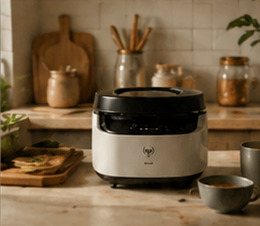
Space, cleanup, duplication, and upkeep begin to outweigh the help.
Ownership gate
Maybe not.
A rice cooker is worth adding when it removes a repeated annoyance. It is a bad trade when it adds cleanup, storage pressure, and appliance ownership without removing much effort.
The best rice cooker is sometimes no rice cooker at all.
Four possible lives
You control the heat, watch the timing, and use equipment you already own.
You keep: Control, simplicity, and no additional appliance.You accept: Burner use and attention.Simple handoffHand off the heat.A basic cooker takes over the transition from cooking to warm.
You gain: Less watching and fewer heat-management decisions.You accept: Another appliance to clean and store.Schedule around lifeLet rice wait for you.Programming and holding can change how dinner comes together.
You gain: Scheduling, coordination, and repeatability.You accept: More controls, more cost, and more appliance behavior to understand.Consolidate carefullyOne appliance, more jobs.A multicooker may consolidate jobs if the household genuinely uses them.
You gain: Flexibility and possible appliance consolidation.You accept: Complexity, pressure-system care, and competition for the appliance.Time Exchange
The broad exchange comes before the mechanism or model.
The cook owns heat changes and readiness.
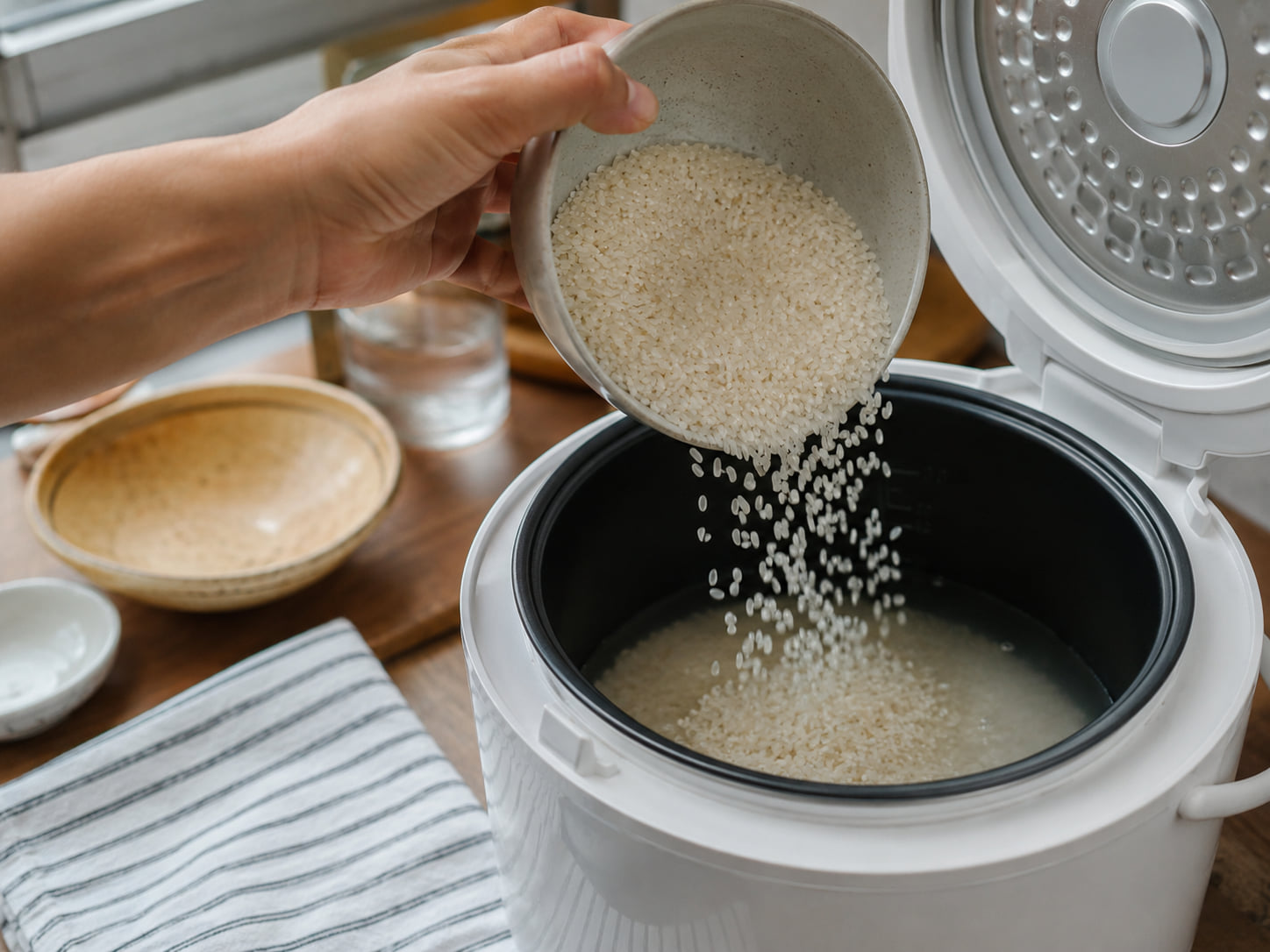
Measure, load, and begin the routine.
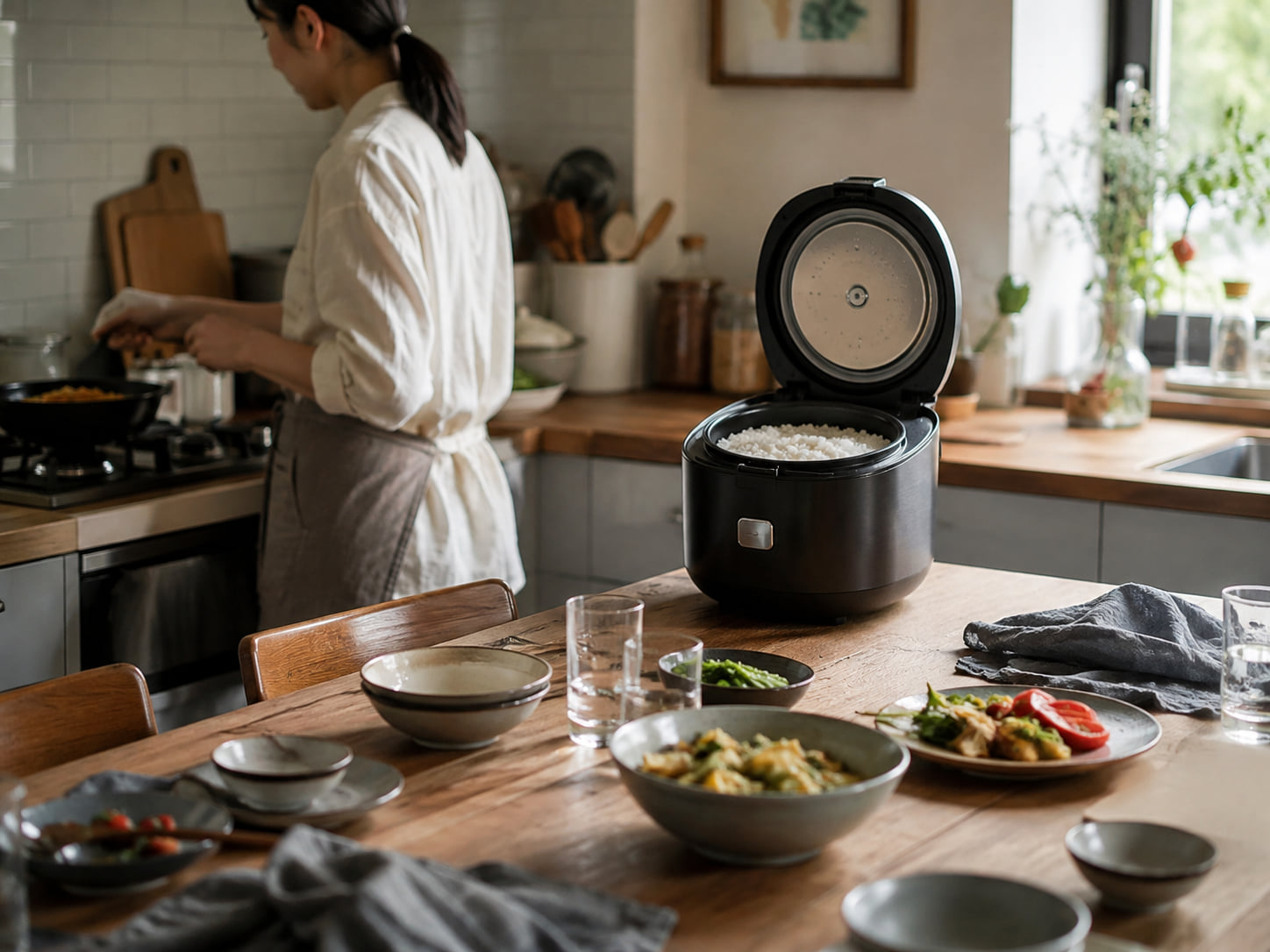
The appliance owns the cook-to-warm transition while dinner continues.
The trade isn't simply time saved. It's attention moved somewhere else.
Decision flow
Choose the consequence that sounds closest to your life. No answer earns points, and doing nothing remains a valid conclusion.
A pot exposes technique, a basic cooker standardizes the switch point, and advanced systems add programs and mechanisms without guaranteeing universal superiority.
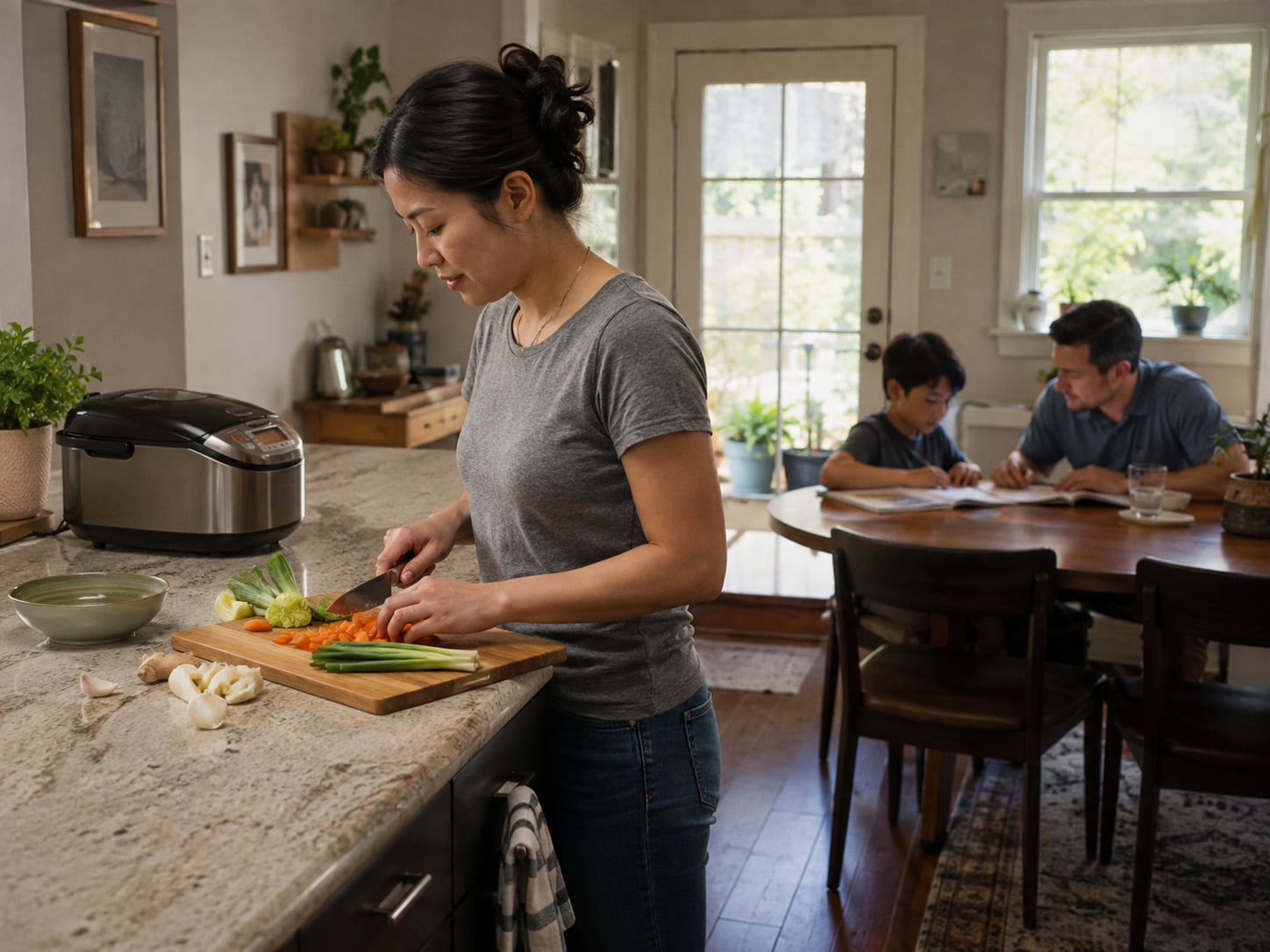
Automatic, extended, and scheduled holding can change coordination, but holding guidance and result quality are model-specific.
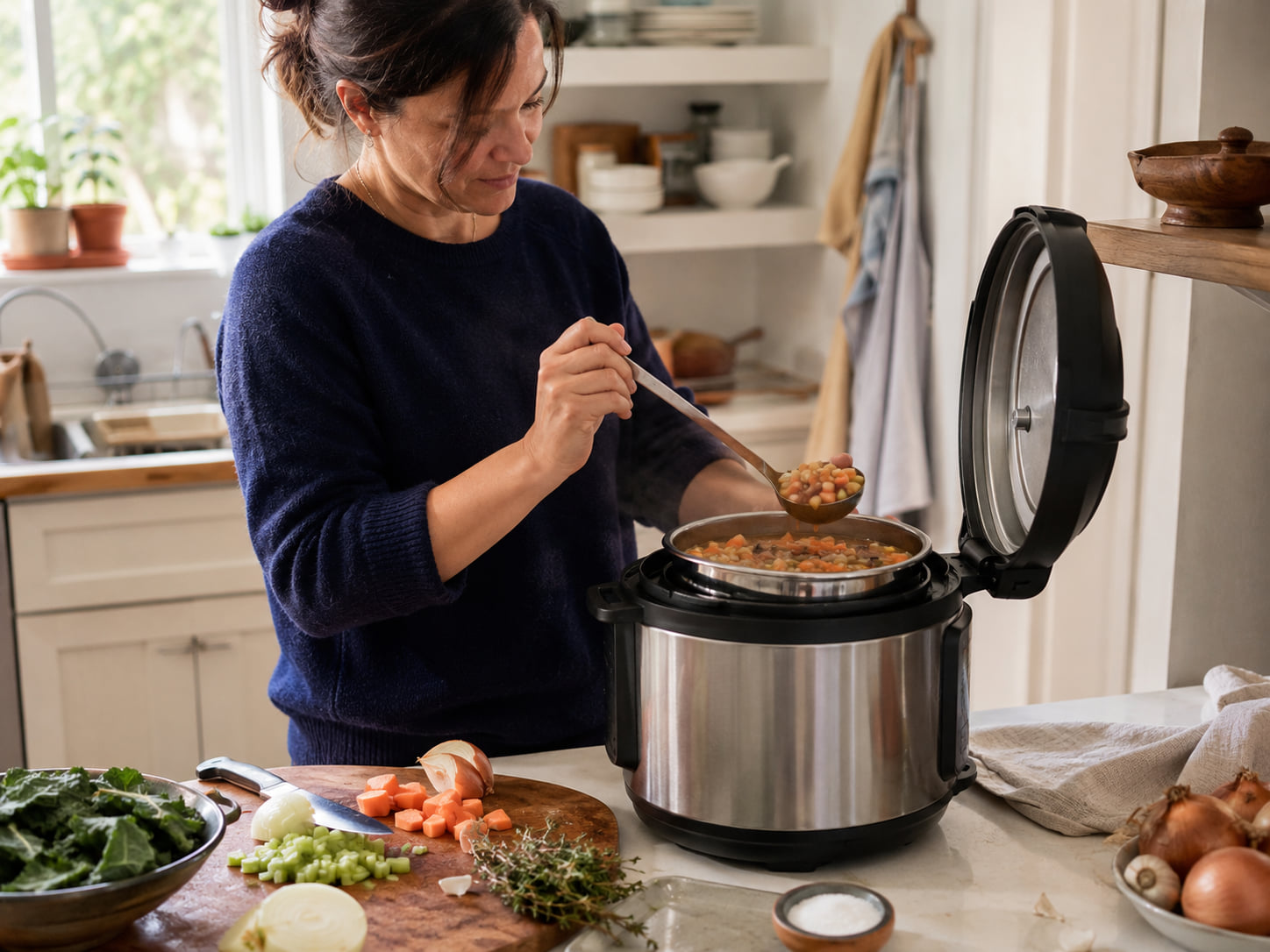
A satisfying pot or existing multicooker may make a new appliance duplicative; supervision, burner use, or inconsistent results point to different alternatives.
Conditional value
A difference matters only when it changes everyday life enough to justify money, space, complexity, or maintenance.

Fits when: Burner checks repeatedly pull attention from the rest of dinner.
Think twice when: The current method already feels easy, reliable, or enjoyable.
Fits when: Rice regularly needs to be ready around changing meal times.
Think twice when: Dinner starts predictably and rice is served immediately.
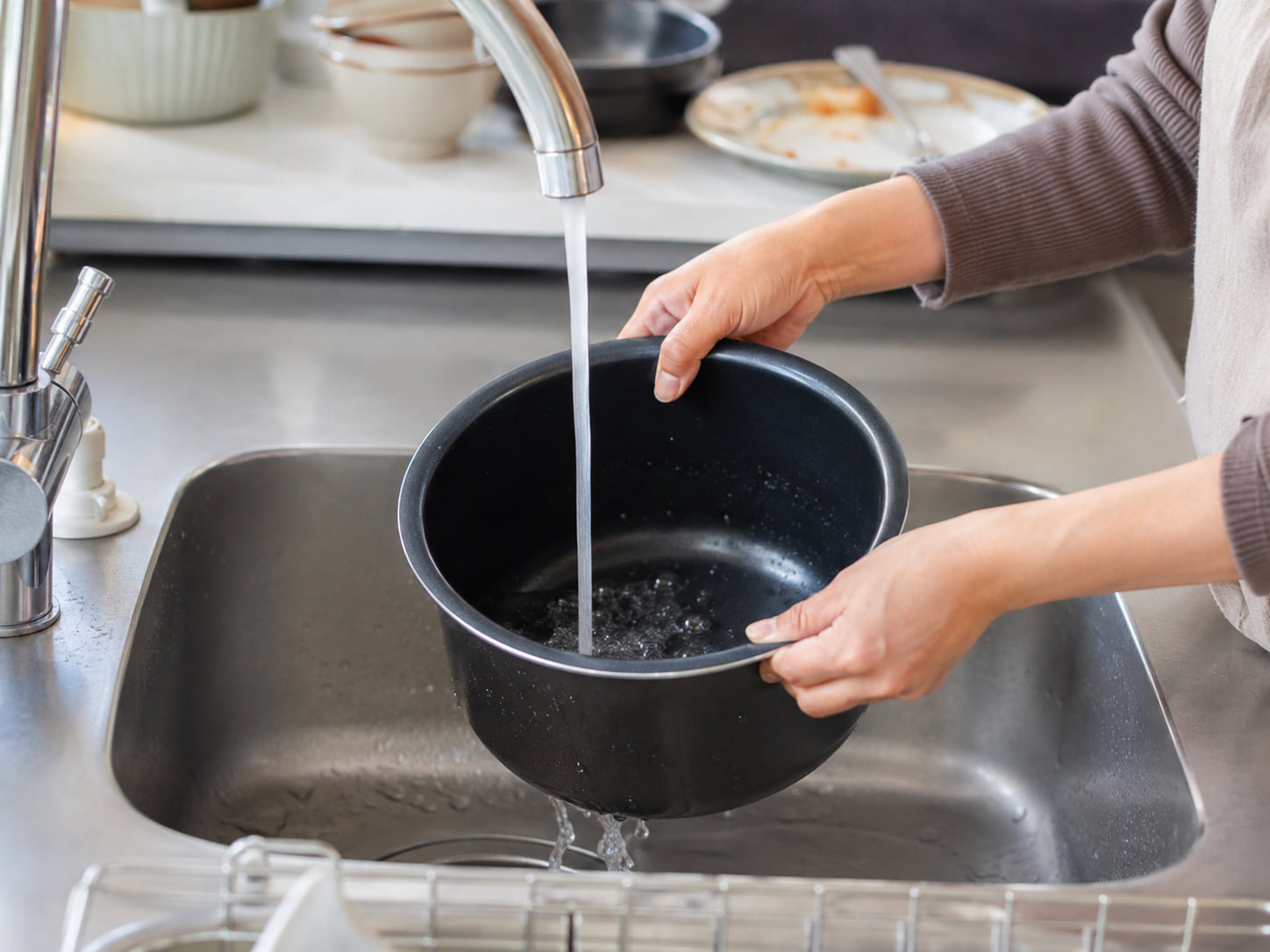
Fits when: The exact care routine is easier to sustain than the attention it replaces.
Think twice when: Additional lids, pans, or parts would keep the appliance unused.
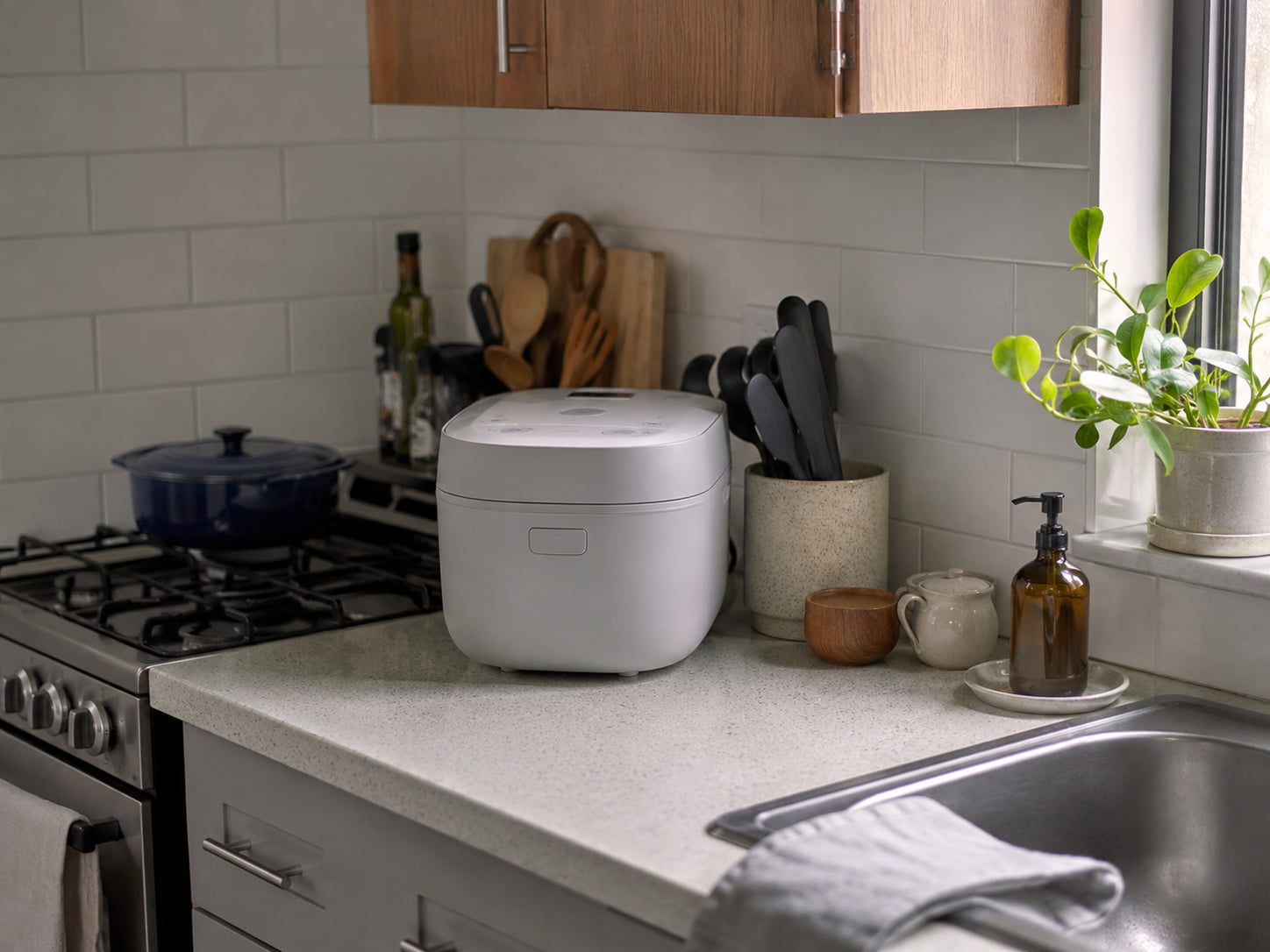
Fits when: A permanent accessible home keeps setup friction low.
Think twice when: The appliance would displace needed work space or live out of reach.
Fits when: Other functions recur and the appliance is free when rice is needed.
Think twice when: Extra modes are aspirational or collide with the rest of dinner.
Solution-path comparisons
Direct heat control, or a cook-to-warm cycle?
Compare the paths Basic vs. programmable rice-focused cookerIs one-touch enough, or do scheduling and menus change the routine?
Compare the paths Dedicated rice cooker vs. pressure multicookerReserve one appliance for rice, or share a pressure system?
Compare the pathsBefore you buy
Name the counter or storage space before the appliance arrives.
Picture the pot, lid, accessories, drying, and reset after each use.
Keep the pot or another appliance visible as a legitimate alternative.
A recurring household routine earns space more easily than an occasional wish.
Evidence and limitations
Inspect the sources, claim ledger, confidence, freshness, conflicts, unresolved questions, and limitations behind this guide.
Inspect sources, claims, confidence, and unresolved evidence