A possible ownership outcome
Always within reach
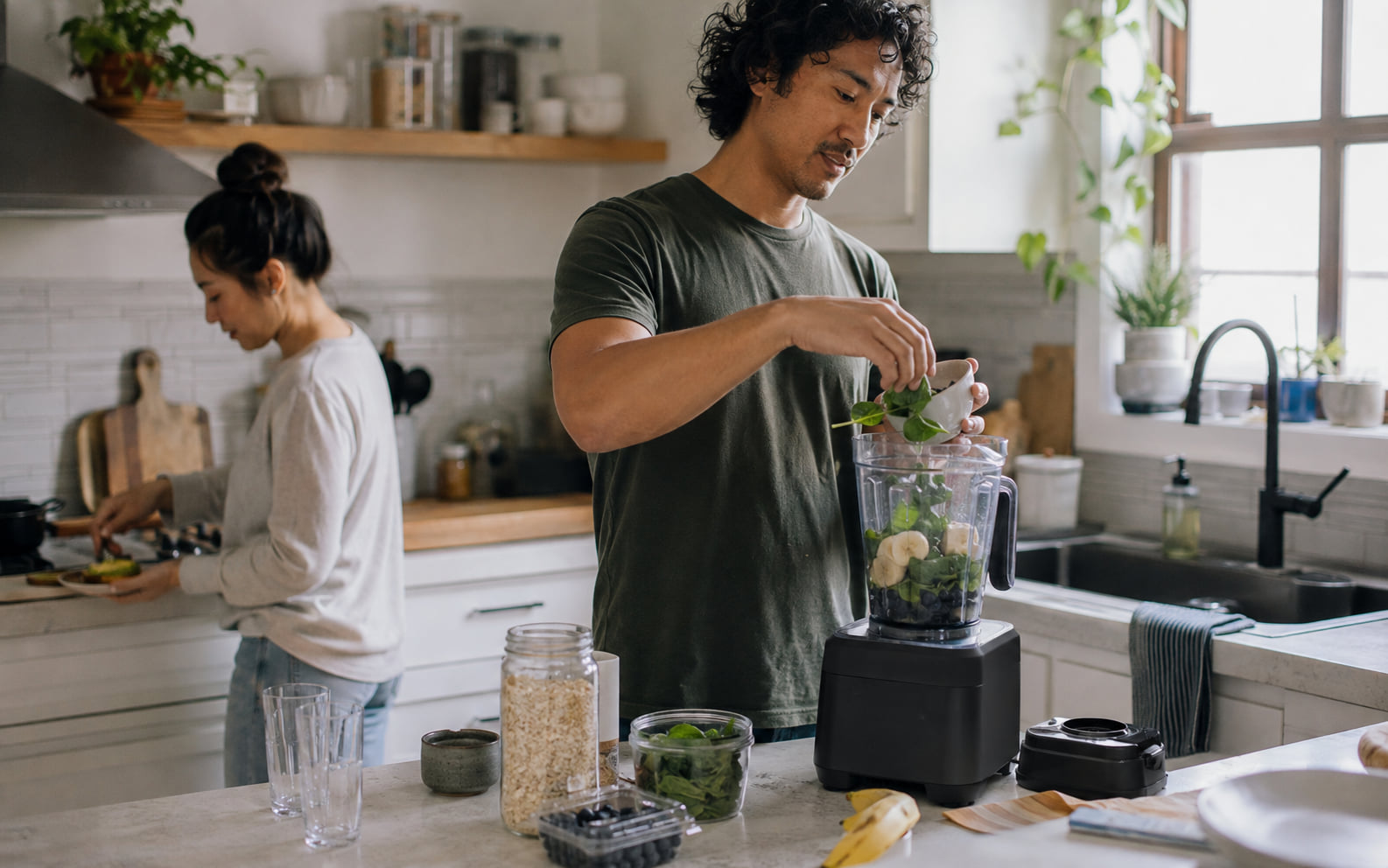
A real weekly food routine makes the blender ordinary and useful.
A category for what you actually make
A blender can become something you reach for every day — or a pitcher you wash more often than you use.
Product-neutral decision guideFOUR BLENDING LIVES
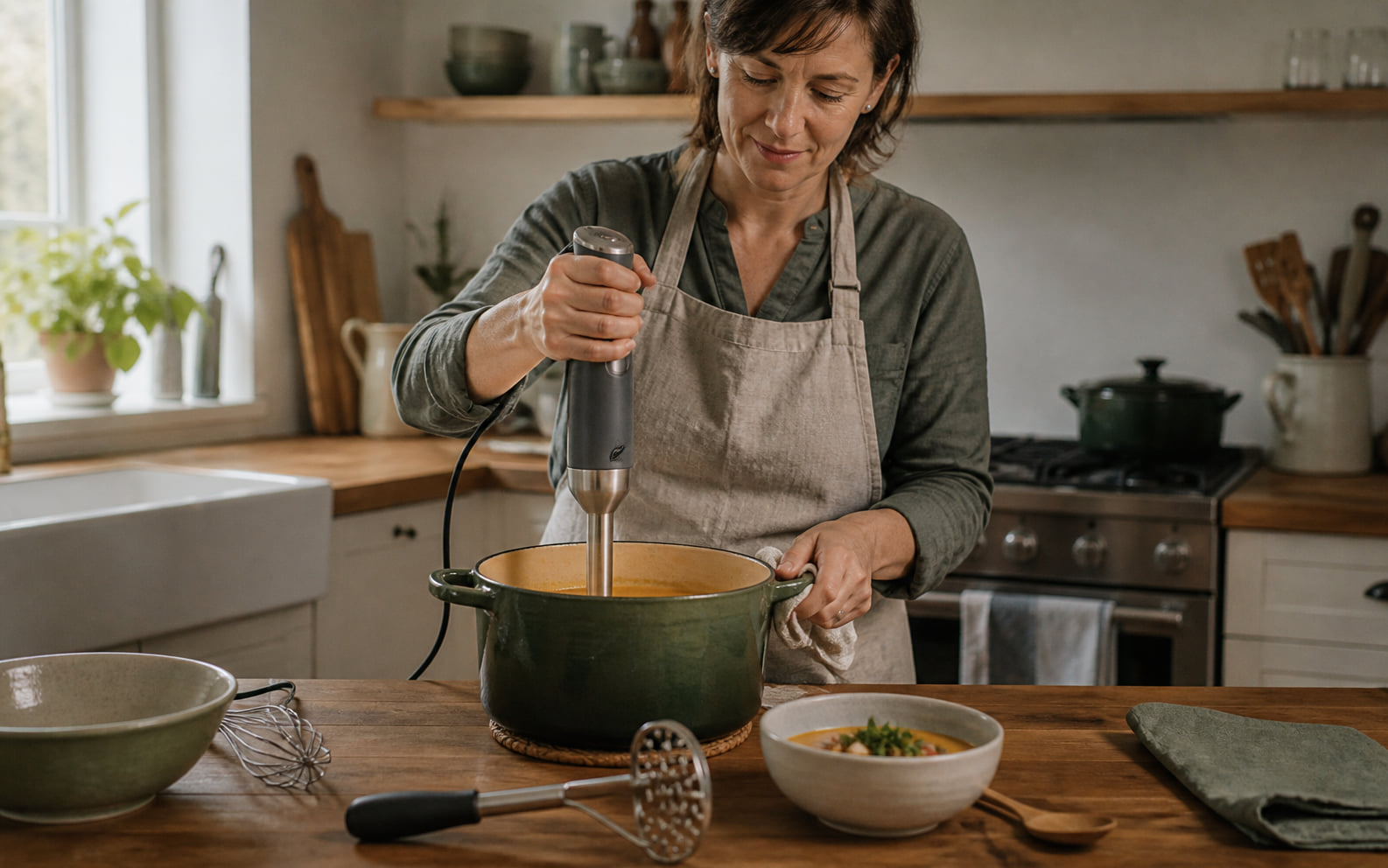 Product-neutral editorial sceneKeep using what worksBlend only when a real job calls for it.Explore this life
 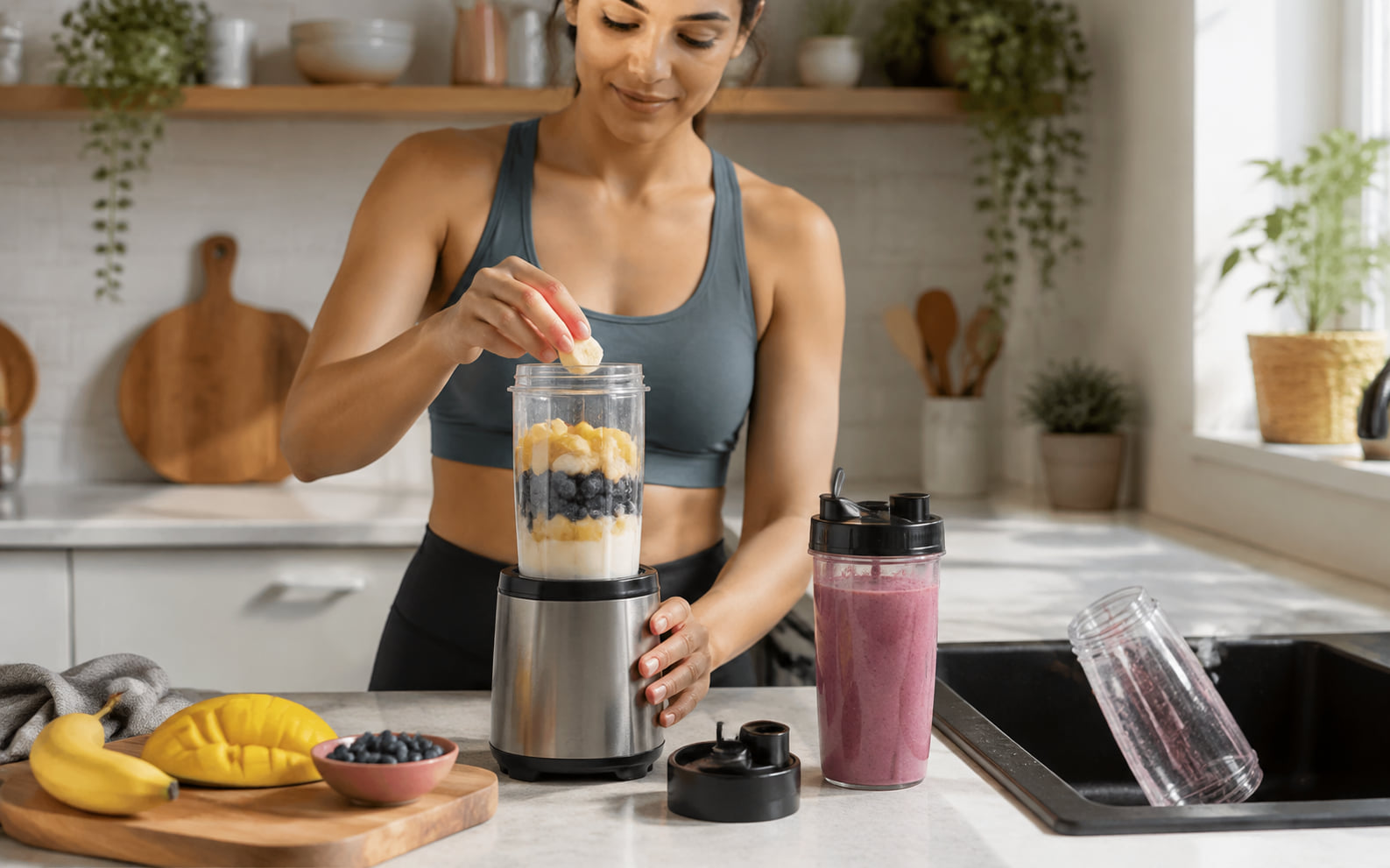 Product-neutral editorial sceneBlend for oneKeep the blend close to the serving size.Explore this life
 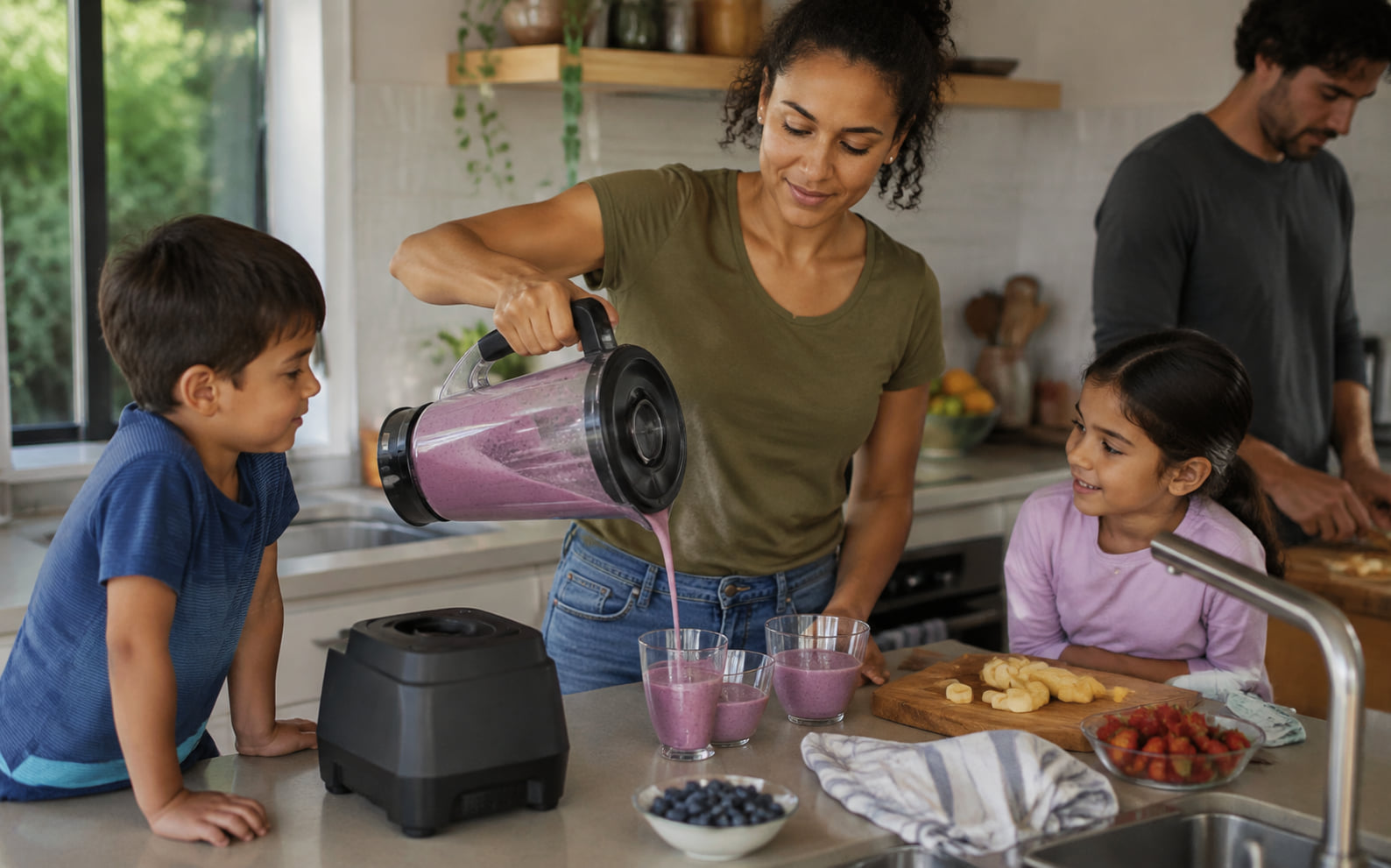 Product-neutral editorial sceneMake blending part of the kitchenGive a repeated household batch a permanent place.Explore this life
 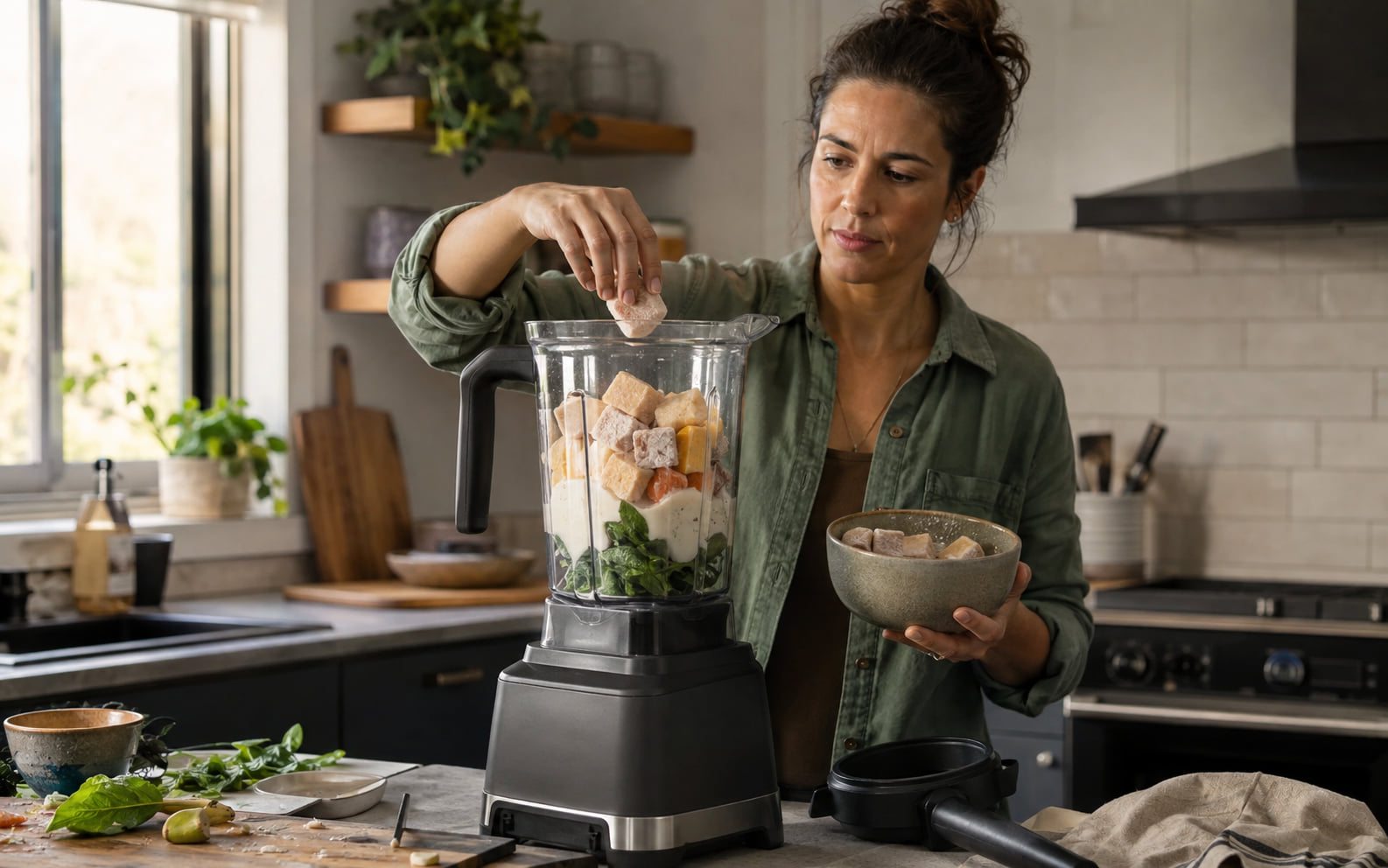 Product-neutral editorial sceneAsk the blender to do morePay for capability only when difficult jobs are real.Explore this life
 THE LIFE AROUND THE BLEND
These are possible buyer-relative outcomes, not measured findings.
A real weekly food routine makes the blender ordinary and useful.
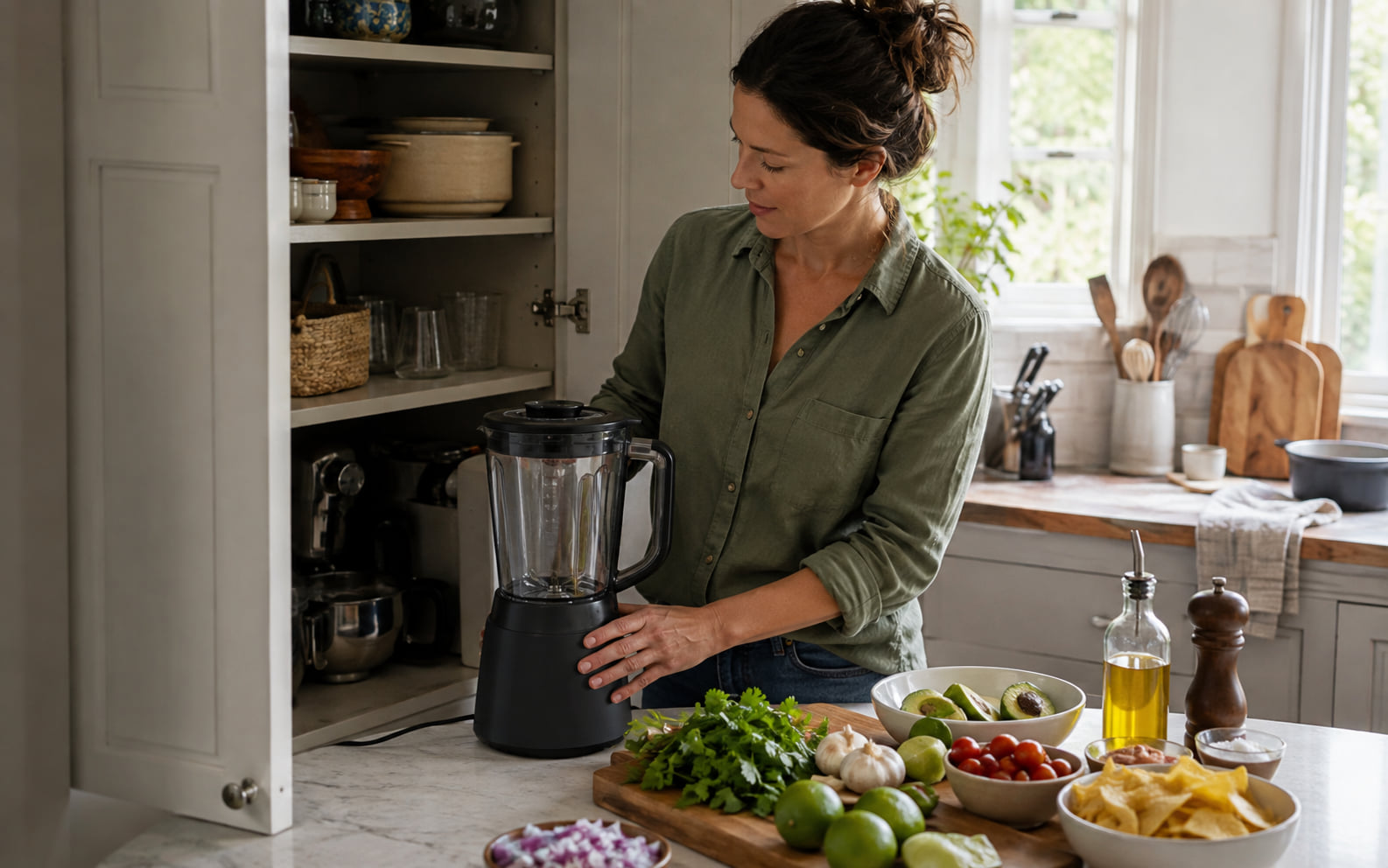
Occasional but meaningful jobs justify retrieval, setup, and storage.
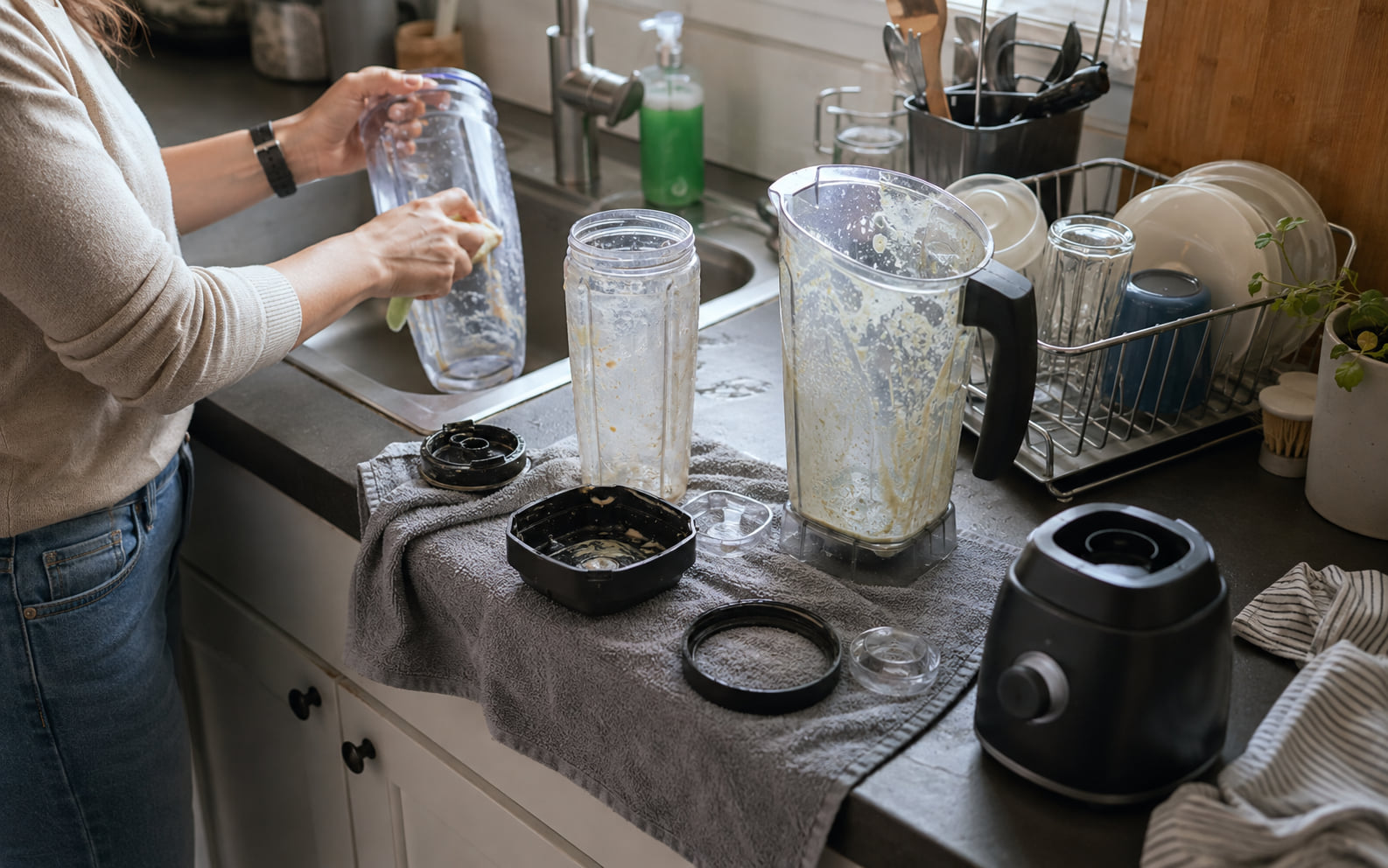
The imagined habit fades while parts, noise, and footprint remain.
Ownership gate
Maybe not.
A countertop blender is worth considering when it changes a real recurring preparation job. It is a poor trade when imagined use is mostly aspirational and the machine adds more retrieval, noise, cleanup, parts, or storage than it removes.
The sound decision can be to keep an immersion blender or food processor, use prepared options, test a format, delay, or buy nothing.
Four possible lives
This is a complete no-purchase path. It keeps known preparation and cleaning while refusing to turn an imagined recipe list into another ownership system.
What stays simple: No new base, pitcher, cup, blade, lid, cord, accessory set, noise pattern, or storage plan enters the kitchen.What stays in the routine: Some frozen, very smooth, repeatable, or several-serving jobs may remain awkward, outsourced, simplified, or unmade.Blend for oneKeep the blend close to the serving size.This path centers a real one-person loop rather than treating a smaller appliance as a universal answer.
What may become smaller: One serving can move through a bounded load, blend, drink, and wash sequence with less pitcher transfer.What replaces it: Several servings require repeated batches, while cup assembly, blade handling, noise, washing, drying, and component storage enter.Make blending part of the kitchenGive everyday blending a permanent place.This path is about household batch and recipe pattern, not advertised power or the length of a feature list.
What may consolidate: Several servings or recurring sauces, dips, drinks, soups, or other verified jobs can share one accessible pitcher workflow.What ownership adds: Ingredient preparation, load order, active adjustment, serving transfer, a larger wash, cabinet clearance, noise, and storage become routine.Ask the blender to do morePay for capability only when the difficult jobs are real.This path requires a named workload and current exact-model evidence; power labels alone do not establish a better texture, safer use, or better life.
What may become possible: A real difficult mixture may move out of repeated workaround cycles when the exact machine and container are verified for it.What capability asks: Preparation, liquid ratios, load order, tamping or scraping, supervision, noise, larger parts, learning, washing, storage, and purchase stakes can all expand.Time Exchange
Compare what disappears, what enters, how often it recurs, how much attention it asks, and whether it feels like ritual, learning, social preparation, convenience, or burden.
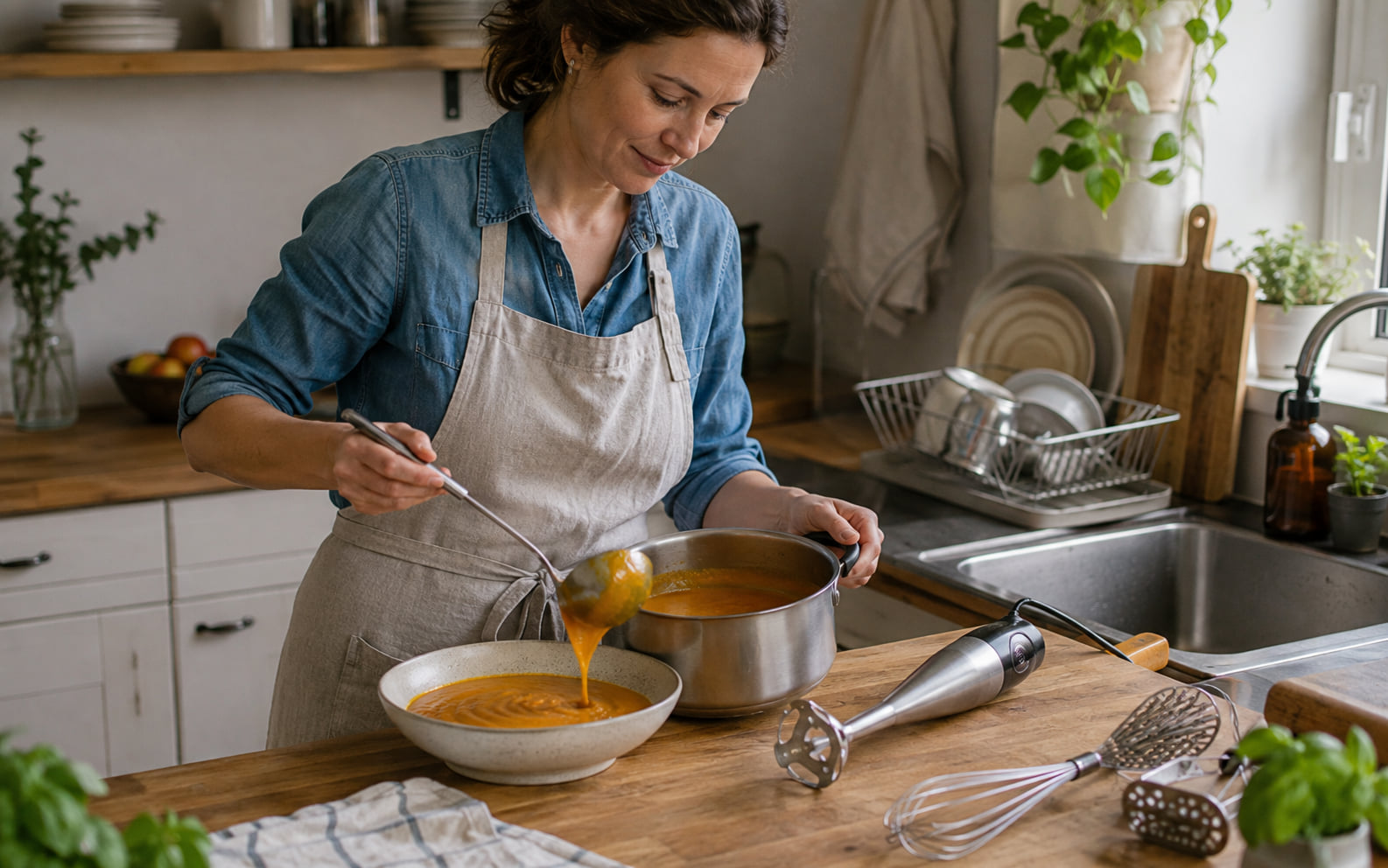
Current preparation and cleanup remain known, with no new machine to store.
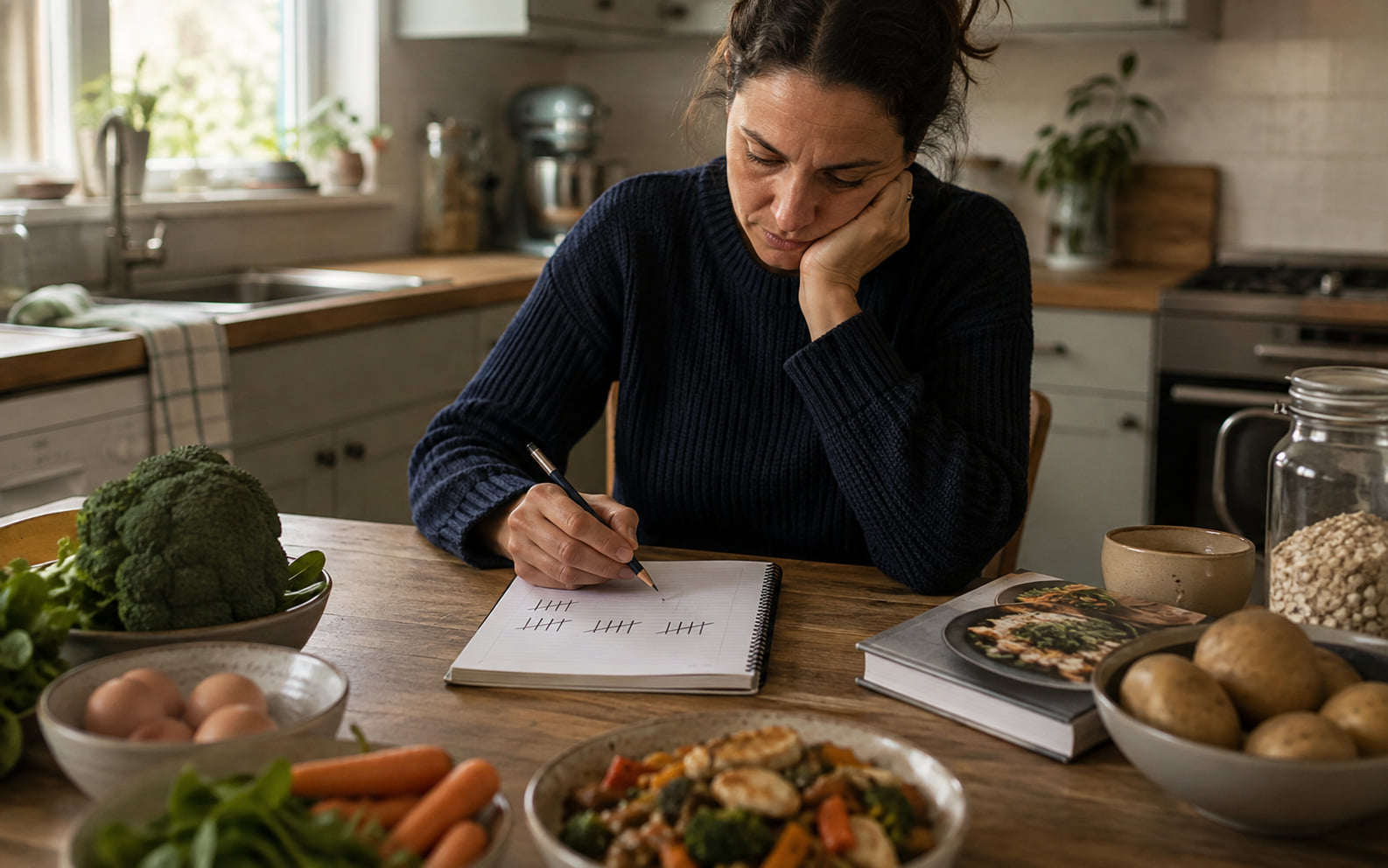
A weekly blend matters more than a long aspirational recipe list.
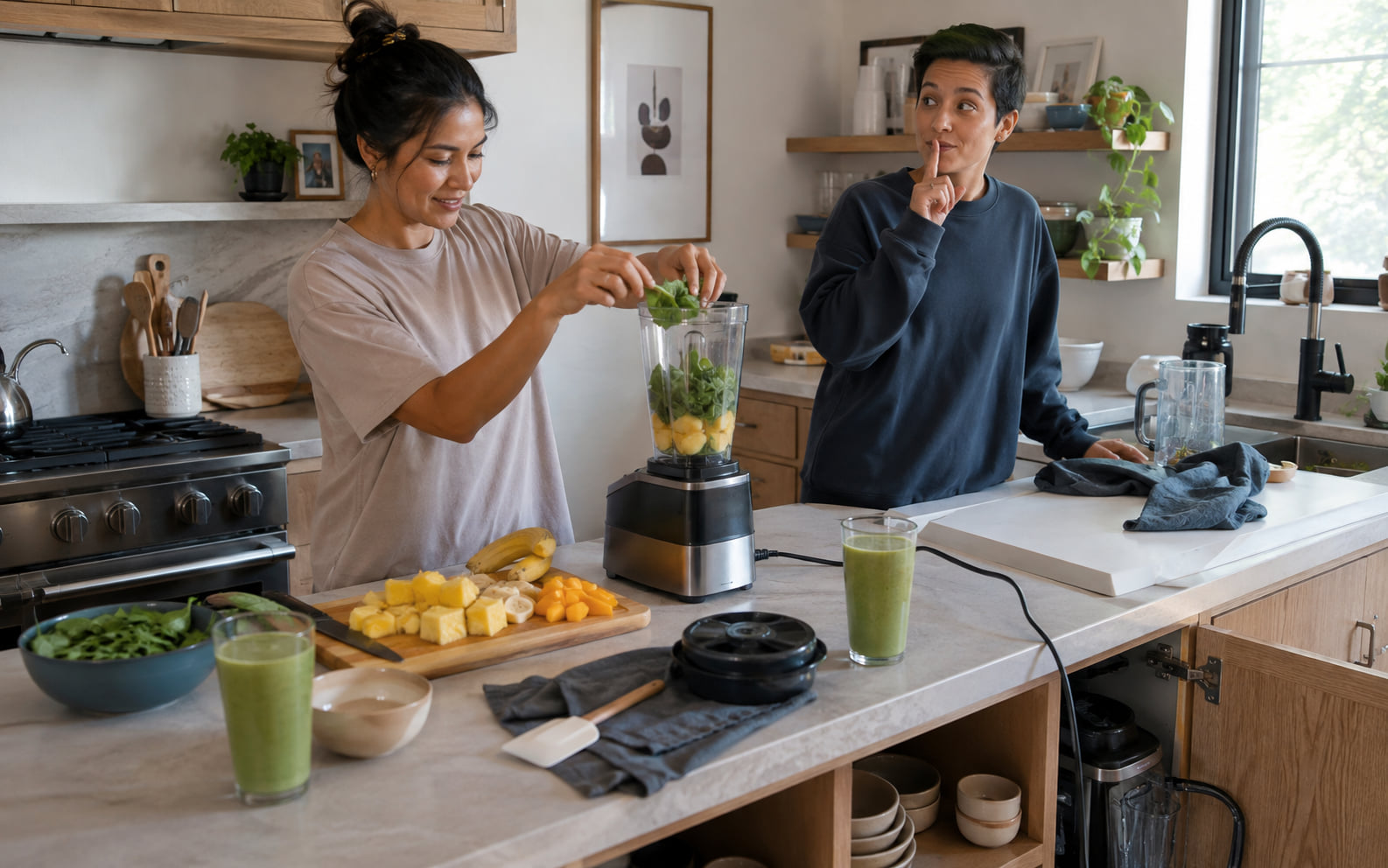
Prepare, load, blend, serve, wash, dry, and store.
The trade is not simply more power. It is what you will actually blend, how often you will clean it, and whether the machine stays within reach.
Decision flow
Answer only the questions that can change ownership, path, product format, eligibility, comparison, or research priority. Nothing here produces a score or recommendation.
Specific recurring jobs can justify ownership; a long wish list without repetition cannot.
A purchase cannot establish a food habit by itself, while an existing routine gives the appliance a concrete role.
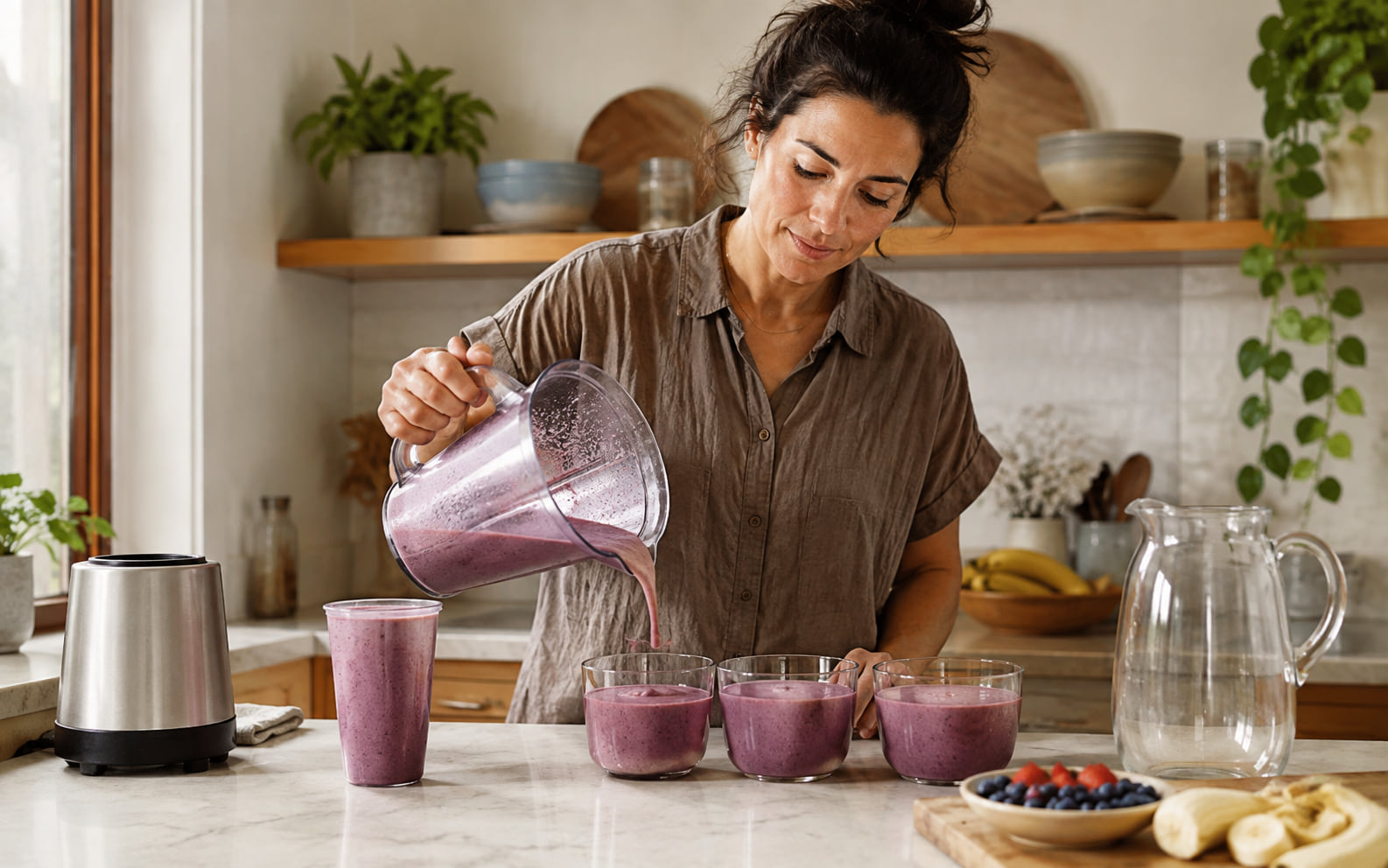
Serving pattern changes container format, transfer, repeated batches, leftovers, and washing.
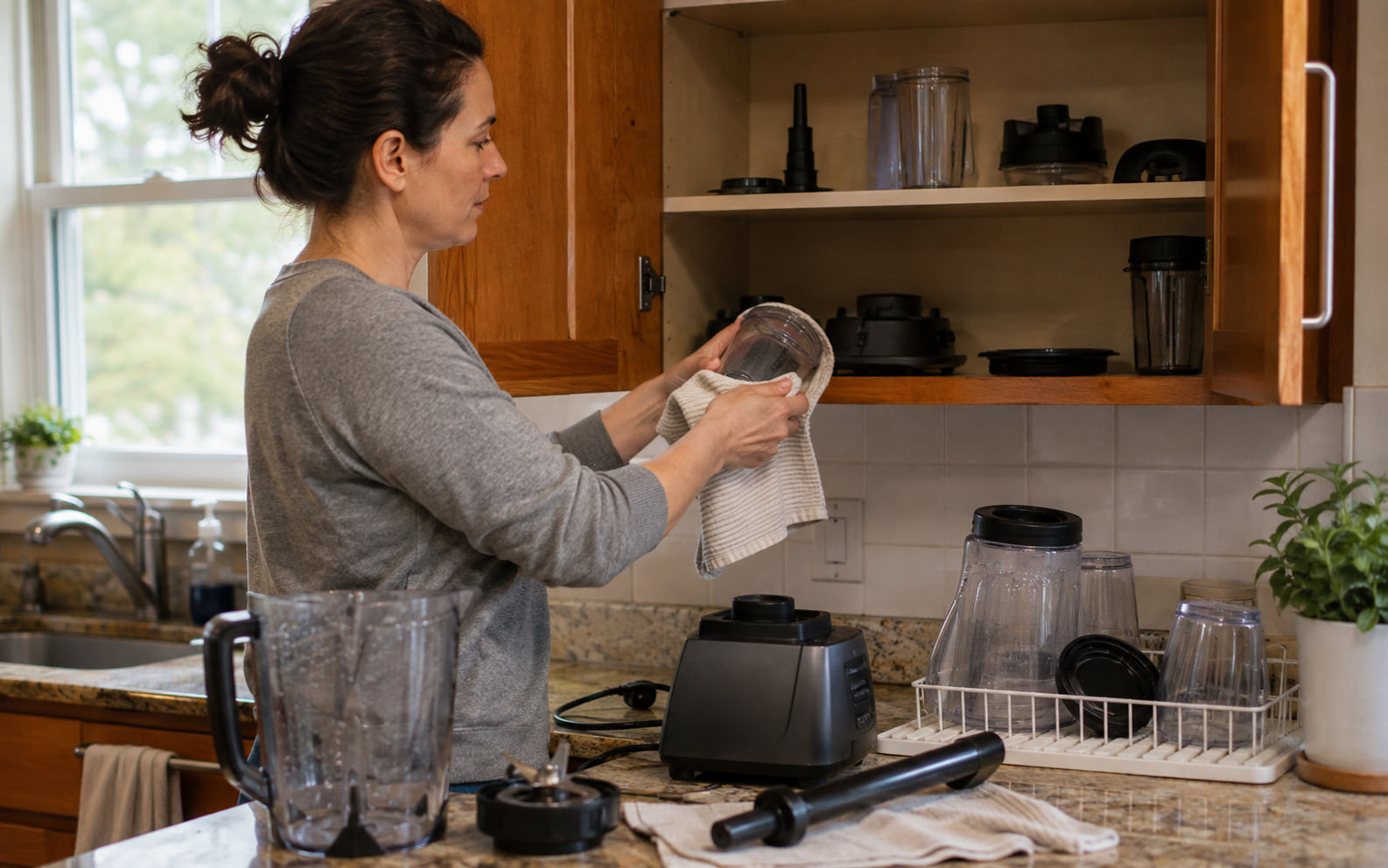
Base weight, container height, cabinet clearance, cord, and accessory storage can determine whether a recurring job stays repeatable.
Conditional value
A feature matters only when it changes a serving, difficult mixture, cleanup, noise, footprint, shared-use, or identity problem the household actually has.
Fits when: The cup or pitcher format removes repeated transfer or batch friction for the normal serving pattern.
Think twice when: The format is chosen from a product label instead of the household's real servings.
Fits when: A dense or frozen mixture genuinely recurs and current documentation supports the complete workflow.
Think twice when: Normal smoothies and sauces are the real use or difficult recipes are aspirational.
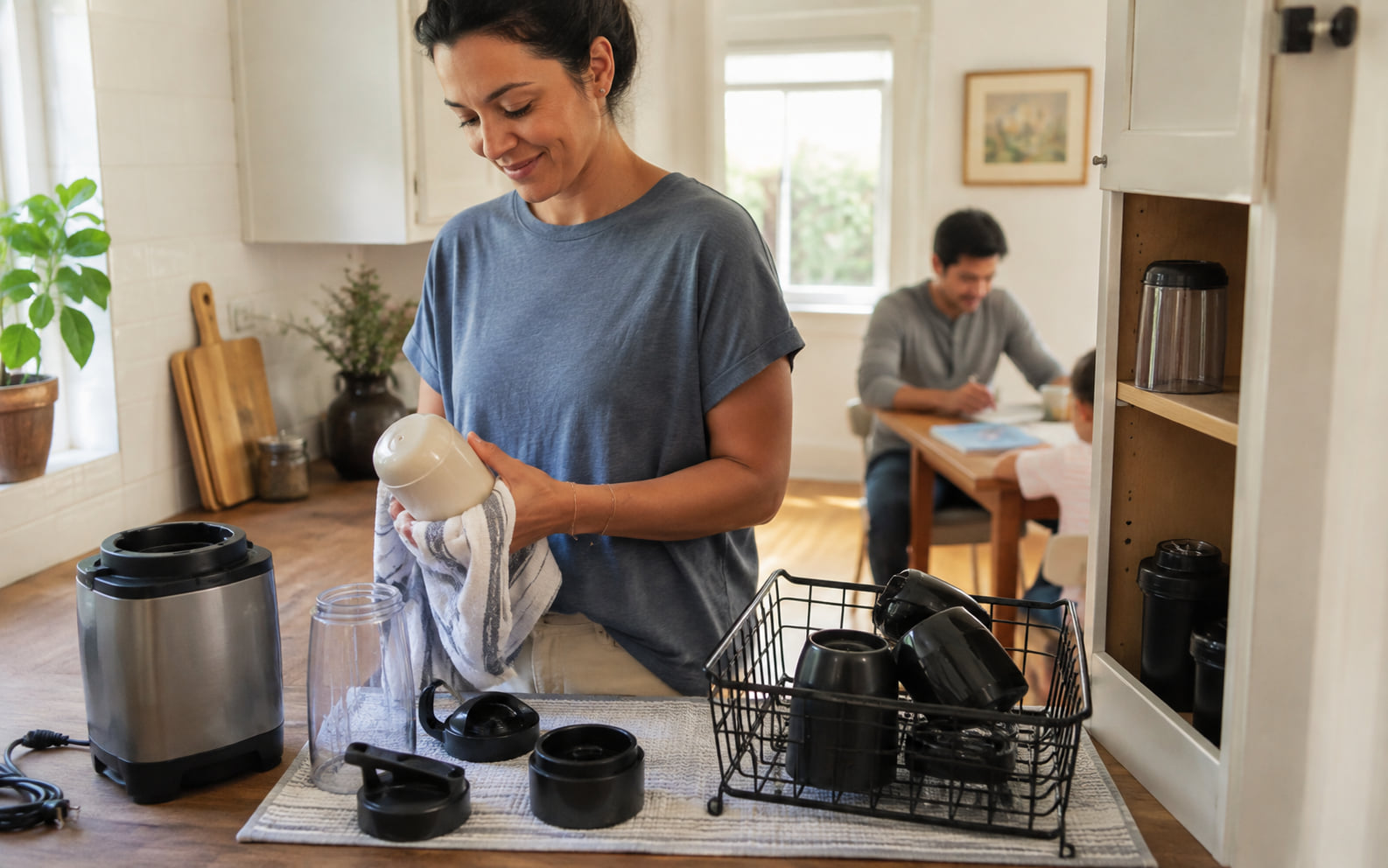
Fits when: Frequent use makes a simpler complete wash and reset the ownership bottleneck.
Think twice when: Blending is occasional or the preferred cleaning claim is not established for the exact parts.
Fits when: Early-morning or shared-space use makes an observed noise difference consequential.
Think twice when: Use happens during normal household activity or no comparable observation exists.
Fits when: Accessibility determines whether the machine supports a real repeated job.
Think twice when: Permanent space is abundant or the appliance will remain difficult to retrieve regardless.
Solution-path comparisons
Do you need another appliance — or just a smaller blending loop?
Compare the paths Personal blender vs. full-size blenderOne serving at a time — or one pitcher for several jobs?
Compare the paths Mainstream full-size vs. higher-capability blenderWhat does the extra capability actually change?
Compare the pathsBefore you buy
Start with a repeated food or drink, not an imagined feature list.
Count the container, lid, seal, blade area, accessories, and reset space.
An immersion blender, food processor, existing machine, or no blend may be enough.
A useful machine still needs a stable home, clearance, an outlet, and a workable noise window.
Evidence and limitations
Historical repository identity leads, Spend & Grow interpretation, exact-product gaps, current-offer gaps, safety questions, conflicts, and unresolved evidence remain separate and inspectable.
Inspect claims, sources, conflicts, and limitations